
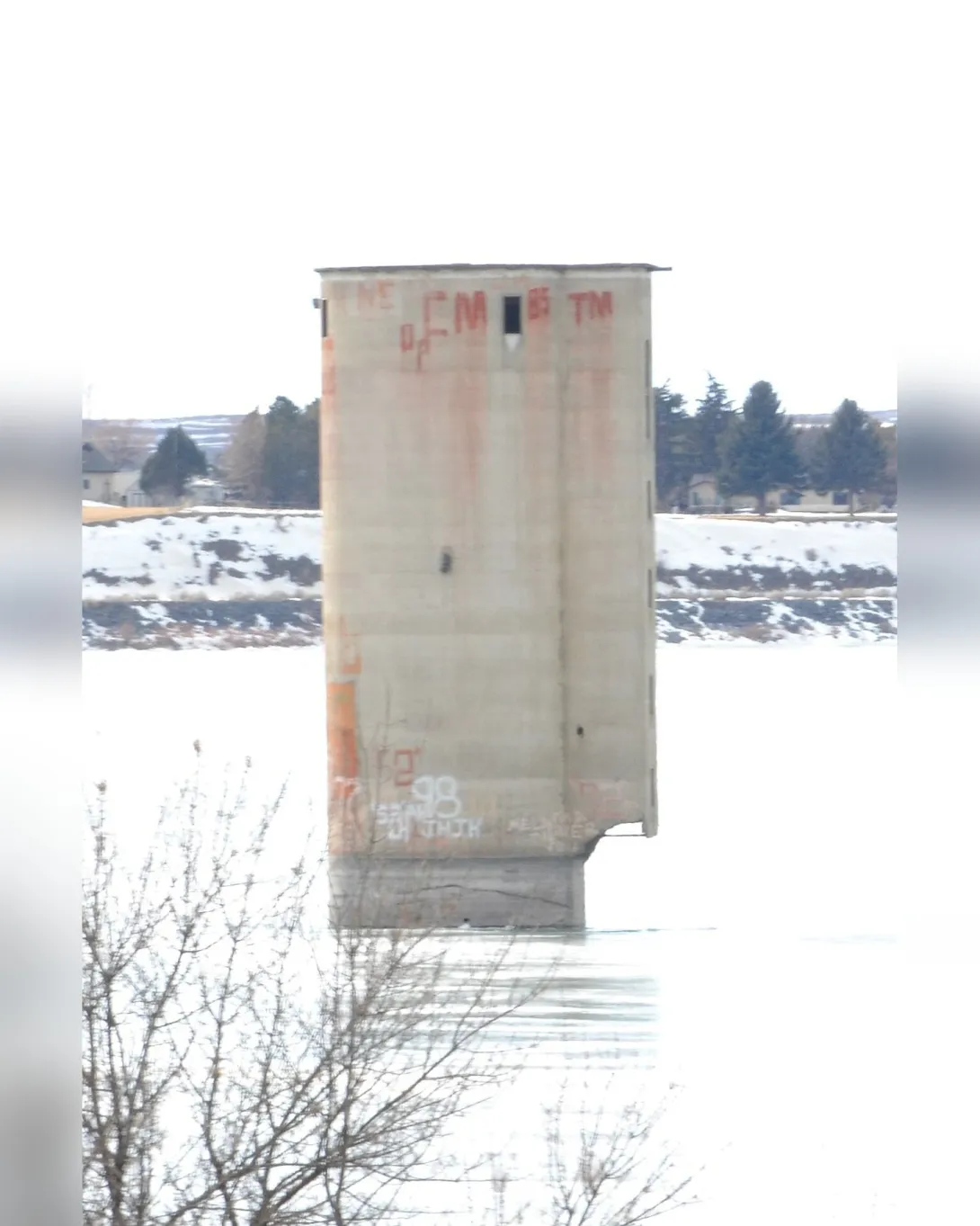
On November 12, 2026, I shared a morning invitation to come and see the strangest and proudest thing my town ever did, and it is worth telling in full. In 1925, when construction began on the first American Falls Dam, the entire town of American Falls picked itself up and moved to higher ground in what was then the largest government relocation project of its time. The count still startles me: 344 residents, 46 businesses, three hotels, one school, five churches, one hospital, six grain elevators, and one flour mill were moved from the original townsite before my reservoir filled over it.
Houses were jacked up, set on rollers and wagons, and hauled up the hill street by street between January 22, 1925, and July 29, 1926. Churches traveled with their congregations' blessings, the school and the hospital found new ground, and a whole commercial district replanted itself on the bluff where American Falls stands today. It was dusty, expensive, and disruptive, and the town did it anyway, because the alternative was to surrender the water that would farm the desert for a century.
One structure stayed behind. The Oneida Milling and Elevator Company grain elevator, built in 1912 and standing 106 feet tall, was simply too heavy to move. It still rises from my reservoir over the old townsite, a concrete sentinel you can see from shore, and in low water the streets and foundations of the first town reappear around it. Few American towns can point to their own first home standing in a lake, and fewer still chose that fate on purpose.
That is why a visit here rewards a slow hour. Start at the overlook at the west end of Falls Avenue or walk Trenner Park, look out at the elevator, and then drive the new town's streets knowing that many of its oldest buildings arrived there on wheels. I flooded a townsite, but the town itself refused to drown, and it has been telling that story, with justified pride, for a hundred years.
